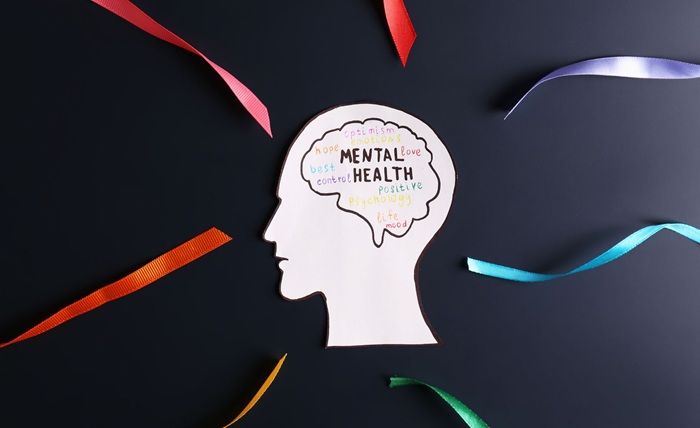
Being mentally healthy is not something that can be accomplished quickly. It is a continuous process that calls for regular focus, self-awareness, and wholesome practices. Even if professional help is essential, self-care remains one of the greatest ways to protect and enhance mental health over time. Regular self-care practices help people better balance their emotions, manage stress, and become more resilient in the face of adversity.
Recognising Self-Care Beyond Unwinding
Self-care is often misinterpreted as a one-time luxury or as taking a vacation only when stress becomes too much to handle. In actuality, it’s a proactive strategy for preserving mental, bodily, and emotional equilibrium. It consists of routines that promote mental clarity, emotional control, and a feeling of direction. People lower their risk of burnout and establish a solid basis for long-term mental well-being by incorporating self-care into their everyday lives.
The Relationship Between Mental Health Education And Self-Care
Effective self-care is mostly dependent on education. People are better able to see early warning signals and react in healthy ways when they have a greater understanding of how mental health functions. By taking part in mental health training, people may gain useful skills for assisting others, controlling their emotions, and confidently handling difficult circumstances. Fear and uncertainty are eliminated by knowledge, which replaces them with comprehension and well-informed decision-making that enhances mental health.
Developing Emotional Hardiness Through Routines
The foundation of self-care consists of regular daily routines. The nervous system is regulated by practices like journaling, regular exercise, mindful breathing, and sound sleep habits. Despite their apparent simplicity, these behaviours have a big long-term influence. They gradually strengthen emotional resilience, which makes it simpler to deal with difficulties without feeling overburdened. Frequent little adjustments typically have a bigger impact than sporadic large ones.
Support From The Community And Organised Learning Opportunities
Taking care of oneself does not entail managing everything by oneself. Particularly for individuals looking for a deeper understanding, structured learning settings may provide direction and connection. Enrolling in Mental Health Courses Sydney helps a lot of people since it allows them to interact with others who have similar aims and receive insights into emotional well-being. The concept that mental well-being is a shared duty and that support networks are essential to long-term emotional health is reinforced via community-based learning.
Identifying Stress And Acting Quickly
Increased self-awareness is one of the most significant advantages of self-care. People are more likely to identify early indicators of stress, anxiety, or emotional tiredness when they routinely check in with themselves. Early detection of these indicators enables prompt modifications, such as taking a break, getting help, or altering routines. By taking this proactive stance, small issues are prevented from developing into more significant mental health issues.
Useful Techniques For Assisting Others And Yourself
Developing the capacity to react appropriately to emotional crises is another aspect of self-care. Gaining useful skills via First Aid for Mental Health Courses gives people the tools they need to assist others, manage their own suffering, and get the right treatment when they need it. These abilities are beneficial for one’s own well-being as well as for helping friends, family, or coworkers who may be having difficulties. Being ready lowers worry and increases self-assurance in managing challenging circumstances.
Benefits Of A Self-Care Mentality Over Time
Beyond just reducing stress right now, developing a self-care mentality has long-term advantages. People who put self-care first often report being more focused, having deeper bonds with others, and making better decisions. These beneficial effects eventually lead to a generally healthier way of living. When self-care is seen as a necessary aspect of life rather than an optional activity, maintaining mental well-being becomes simpler.
Establishing A Long-Term Self-Care Schedule
Self-care has to be practical and long-lasting in order to promote long-term mental wellbeing. This entails selecting routines that mesh well with everyday living and modifying them as needed. Being adaptable is essential. What works in one stage of life may need to be changed in another. Even in times of change or uncertainty, people may preserve emotional equilibrium by continuing to be flexible and dedicated.
Conclusion
One effective and useful strategy for preserving long-term mental health is self-care. People may enhance their mental resilience and general quality of life by integrating daily routines, emotional awareness, education, and supportive learning opportunities. Mental well-being is not only maintained but also continuously fostered for the future when self-care is made a regular priority.