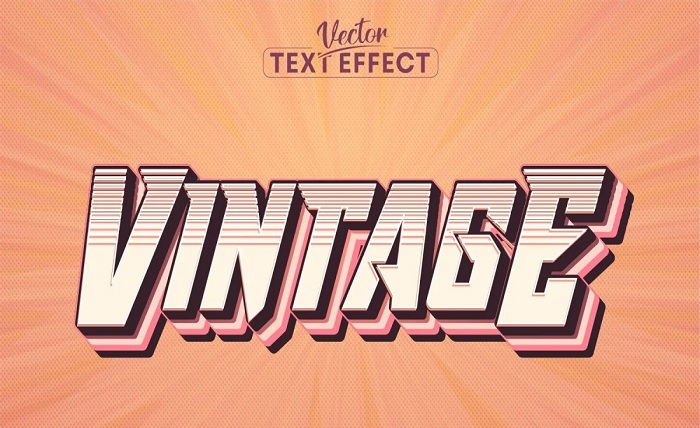
Yazı tipi stili plays a foundational role in graphic design because it determines how text visually interacts with the audience. Every brand, poster, website, or advertisement relies heavily on yazı tipi stili to communicate tone and personality. A strong yazı tipi stili choice can make a message look professional, emotional, playful, or serious depending on the intention of the design.
When learning yazı tipi stili, designers must understand that typography is not just about choosing fonts but about arranging text in a visually balanced and readable way. The spacing, size, alignment, and weight all contribute to yazı tipi stili effectiveness. Without proper attention to yazı tipi stili, even the most creative design can fail to communicate clearly.
Another important aspect of yazı tipi stili is its influence on user experience. In websites and apps, poor yazı tipi stili can make reading difficult, leading to user frustration. Good yazı tipi stili ensures smooth readability and guides the user’s attention naturally through the content.
Types of Yazı Tipi Stili Used in Modern Typography
Yazı tipi stili includes several categories of font styles that designers use depending on the purpose of their work. Serif yazı tipi stili is often used in formal documents, books, and traditional branding because it creates a sense of trust and elegance. Sans-serif yazı tipi stili, on the other hand, is widely used in digital platforms due to its clean and modern appearance.
Script yazı tipi stili mimics handwriting and is commonly used in creative projects such as invitations, logos, and artistic designs. Display yazı tipi stili is bold, decorative, and attention-grabbing, making it perfect for posters and advertisements where visual impact is important.
Monospace yazı tipi stili is another category often used in coding environments and technical documentation. Each character in this yazı tipi stili takes up equal space, improving alignment and structure in technical content. Understanding these categories of yazı tipi stili helps designers select the right style for each project.
Psychological Impact of Yazı Tipi Stili on Audience Perception
Yazı tipi stili has a strong psychological influence on how people interpret visual messages. Different yazı tipi stili choices can trigger different emotions and associations in the viewer’s mind. For example, a bold and heavy yazı tipi stili can communicate strength and confidence, while a light and thin yazı tipi stili may suggest elegance or softness.
In marketing and branding, yazı tipi stili is used strategically to influence consumer behavior. Companies carefully choose yazı tipi stili that aligns with their brand identity and target audience. A luxury brand may use a refined yazı tipi stili to reflect exclusivity, while a children’s brand may use a playful yazı tipi stili to attract younger audiences.
The readability of yazı tipi stili also affects trust. If a yazı tipi stili is difficult to read, users may perceive the content as unprofessional or unreliable. Therefore, selecting the right yazı tipi stili is not just a design decision but also a psychological strategy.
Best Practices for Choosing Yazı Tipi Stili in Projects
When working with yazı tipi stili, designers should follow certain best practices to ensure effective communication. One important rule is limiting the number of yazı tipi stili variations in a single design. Using too many styles can make the design chaotic and confusing.
Another best practice in yazı tipi stili selection is maintaining consistency across all design elements. Consistent yazı tipi stili helps establish a strong visual identity and improves recognition. It is also important to consider contrast when using yazı tipi stili, ensuring that text stands out clearly against the background.
Hierarchy is another key principle in yazı tipi stili usage. Headlines, subheadings, and body text should all have different yazı tipi stili sizes and weights to guide the reader’s attention. Proper hierarchy improves readability and makes content easier to navigate.
Designers should also test yazı tipi stili across different devices and screen sizes. A yazı tipi stili that looks good on a desktop may not perform well on mobile devices if not properly optimized.
Digital Tools for Creating and Managing Yazı Tipi Stili
Modern designers have access to various tools that help them experiment with yazı tipi stili effectively. Software like Adobe Photoshop and Illustrator provides advanced typography controls that allow precise manipulation of yazı tipi stili properties such as spacing, alignment, and effects.
Online tools like Canva make it easier for beginners to explore yazı tipi stili without needing advanced design skills. Canva offers pre-made templates where users can quickly apply different yazı tipi stili options and see instant results.
Google Fonts is another powerful resource for yazı tipi stili selection. It provides a wide range of free fonts that can be used in web and print design. Designers can test different yazı tipi stili combinations before finalizing their project.
Figma is also widely used for collaborative projects involving yazı tipi stili decisions. It allows teams to experiment and refine typography in real time, ensuring consistency across all design elements.
Common Mistakes in Yazı Tipi Stili Usage
One of the most common mistakes in yazı tipi stili usage is overusing decorative fonts. While creative yazı tipi stili can enhance design, too much decoration reduces readability and professionalism.
Another mistake is poor spacing in yazı tipi stili. Improper line height and letter spacing can make text appear cramped or disorganized. Good yazı tipi stili always ensures balanced spacing for easy reading.
Ignoring contrast is also a major issue in yazı tipi stili design. Low contrast between text and background makes content difficult to read, especially on mobile devices. Designers must always ensure that yazı tipi stili remains visible in all conditions.
Using inconsistent yazı tipi stili across a project can also weaken brand identity. Consistency is essential for creating a professional and cohesive visual experience.
Advanced Techniques in Yazı Tipi Stili for Professional Designers
Advanced yazı tipi stili techniques involve combining creativity with technical precision. One popular method is pairing different yazı tipi stili categories to create contrast and visual interest. For example, combining serif and sans-serif yazı tipi stili can create a balanced and modern look.
Another advanced technique in yazı tipi stili is kinetic typography, where text is animated to move and change dynamically in videos or digital content. This type of yazı tipi stili is widely used in advertising and social media.
Designers also use custom yazı tipi stili creation to develop unique brand identities. Custom fonts allow brands to stand out and maintain originality in competitive markets.
Grid systems are also essential in advanced yazı tipi stili design. They help maintain alignment and structure, ensuring that typography remains clean and organized even in complex layouts.
The Future of Yazı Tipi Stili in Design and Technology
The future of yazı tipi stili is evolving with advancements in technology and digital media. Artificial intelligence is now being used to generate and optimize yazı tipi stili based on user preferences and design context.
Variable fonts are another innovation in yazı tipi stili that allows a single font file to behave like multiple styles. This makes typography more flexible and efficient in web design.
Augmented reality and virtual reality are also influencing yazı tipi stili, where text must adapt to 3D environments and interactive experiences. This requires new approaches to readability and spatial typography.
As design continues to evolve, yazı tipi stili will remain a core element of visual communication, adapting to new platforms and user expectations.
Conclusion
Yazı tipi stili is a fundamental aspect of design that affects readability, aesthetics, and communication effectiveness. From basic font selection to advanced typography techniques, mastering yazı tipi stili allows designers to create more impactful and professional visuals.
Understanding yazı tipi stili helps improve branding, user experience, and emotional connection with audiences. Whether you are designing for print, digital media, or branding, yazı tipi stili will always play a crucial role in your success.
By practicing and experimenting with yazı tipi stili, designers can develop their own unique style and improve their creative skills over time.
FAQ
1: What is yazı tipi stili in design?
Yazı tipi stili refers to the visual style of text used in design, including font type, size, spacing, and formatting that affects readability and appearance.
2: Why is yazı tipi stili important?
Yazı tipi stili is important because it influences how people perceive and understand written content in both digital and print media.
3: How many yazı tipi stili should be used in one design?
In most cases, using two or three yazı tipi stili variations is ideal for maintaining clarity and consistency in design.
4: Which tools are best for yazı tipi stili design?
Popular tools for yazı tipi stili include Adobe Photoshop, Illustrator, Canva, Figma, and Google Fonts.
5: Can yazı tipi stili affect branding?
Yes, yazı tipi stili plays a major role in branding because it helps communicate personality, tone, and identity of a brand visually.